Today in History
World Cup door closes at Jaipur
For the first three World Cups, West Indies had contested the championship decider as though a clause in the tournament regulations required it. They won in 1975 and 1979 before India defended 183 at Lord's in 1983.
That defeat was a shock, but West Indies remained the central power in world cricket. The loss to India happened during their 15-year unbeaten run in Tests. One-day cricket was meant to remain part of the inheritance.
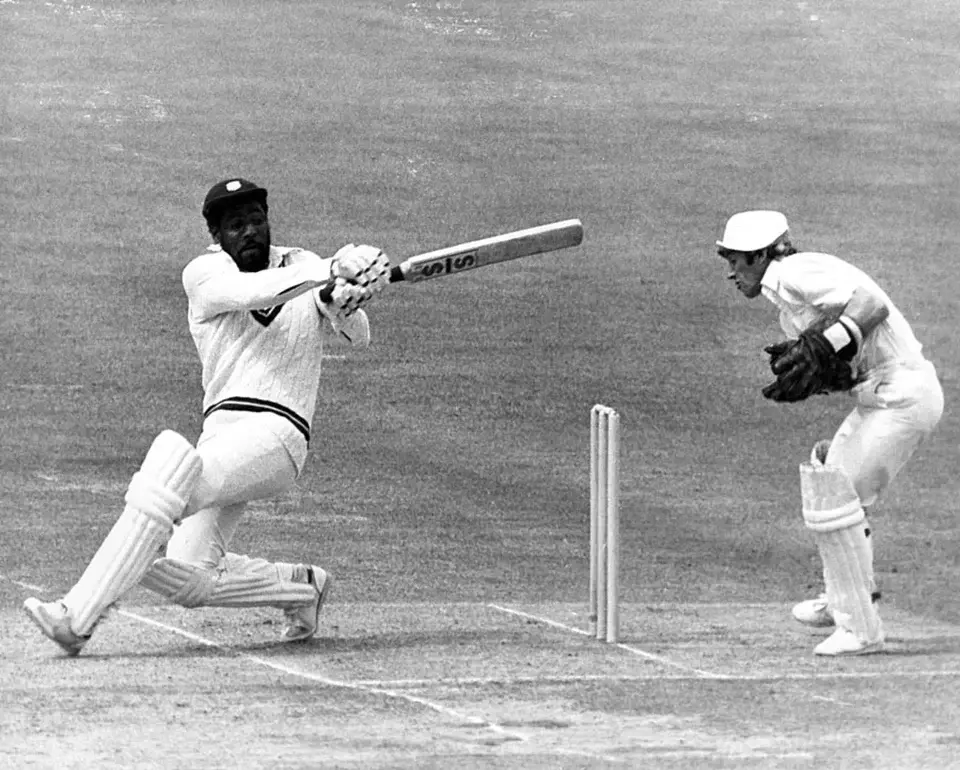
However, the 1987 World Cup became the first to produce a West Indies-less semi-final. The decisive defeat came against England at Jaipur on 26 October. And the warning signs were less than subtle.
England had already beaten West Indies by two wickets earlier in the competition. The Caribbean side beat Sri Lanka twice, but losing a Lahore thriller to Pakistan meant Viv Richards’ men arrived at Jaipur needing points to regain control of their fate. There, they collided with Graham Gooch.
A total built patiently
West Indies chose to field. Gooch did not attempt to dominate their attack. He made 92 from 137 balls, accumulating as England built. Allan Lamb added 40, and England posted 269 for five off their 50 overs. Extras contributed 22, a small but irritating donation from a side that could afford none.
This meant West Indies needed what was considered a substantial total at the time. While they received several starts, including Richie Richardson’s 92 and Richards’ 51, they failed to gain control of the chase. West Indies were eventually dismissed for 235 in the 49th over, and England won by 34 runs.
The defeat did not mathematically eliminate them, but it left qualification beyond their control. West Indies beat Pakistan in their next match, then watched the table confirm what Jaipur had already cautioned. England, on the other hand, advanced and eventually reached the final.
Not an ending, but a marker
The 1987 exit revealed a gap for West Indies. Their first great one-day generation was ageing. Clive Lloyd, Gordon Greenidge, Desmond Haynes, Richards, Michael Holding and Joel Garner had created the model, but transition in limited-overs cricket was proving less automatic than dominance had made it appear. They reached the semi-finals of the World Cup only once thereafter, in 1996.
It also signalled that the World Cup had grown beyond its pioneers. The tournament was being staged outside England for the first time. Fifty overs replaced sixty. India and Pakistan supplied the grounds, crowds and political energy. Australia would win the title. The map of cricket was expanding while West Indies were discovering that possession of the past did not confer a place in the knockout stage.
The inaccurate version of this anniversary says Gooch and England beat West Indies at a World Cup for the first time at Jaipur. That had happened seventeen days earlier at Gujranwala. The more important truth is that England did it twice in the same tournament.
The first defeat was a warning. Jaipur was the locked door.
Sources