Today in History
A title-defence’s failure to launch at 55 all out
When the teams last met at the T20 World Cup, Carlos Brathwaite hit four consecutive sixes off Ben Stokes, creating a memory England would spend years trying to overwrite.
Five and a half years later, they came face-to-face once more in Dubai. West Indies still had six members of the 2016 squad. Chris Gayle was 42, and Dwayne Bravo was 38, playing under the leadership of Kieron Pollard, who had been handed the reins soon after his recall to the setup.
West Indies were bowled out in 14.2 overs, leaving England 56 runs to win.
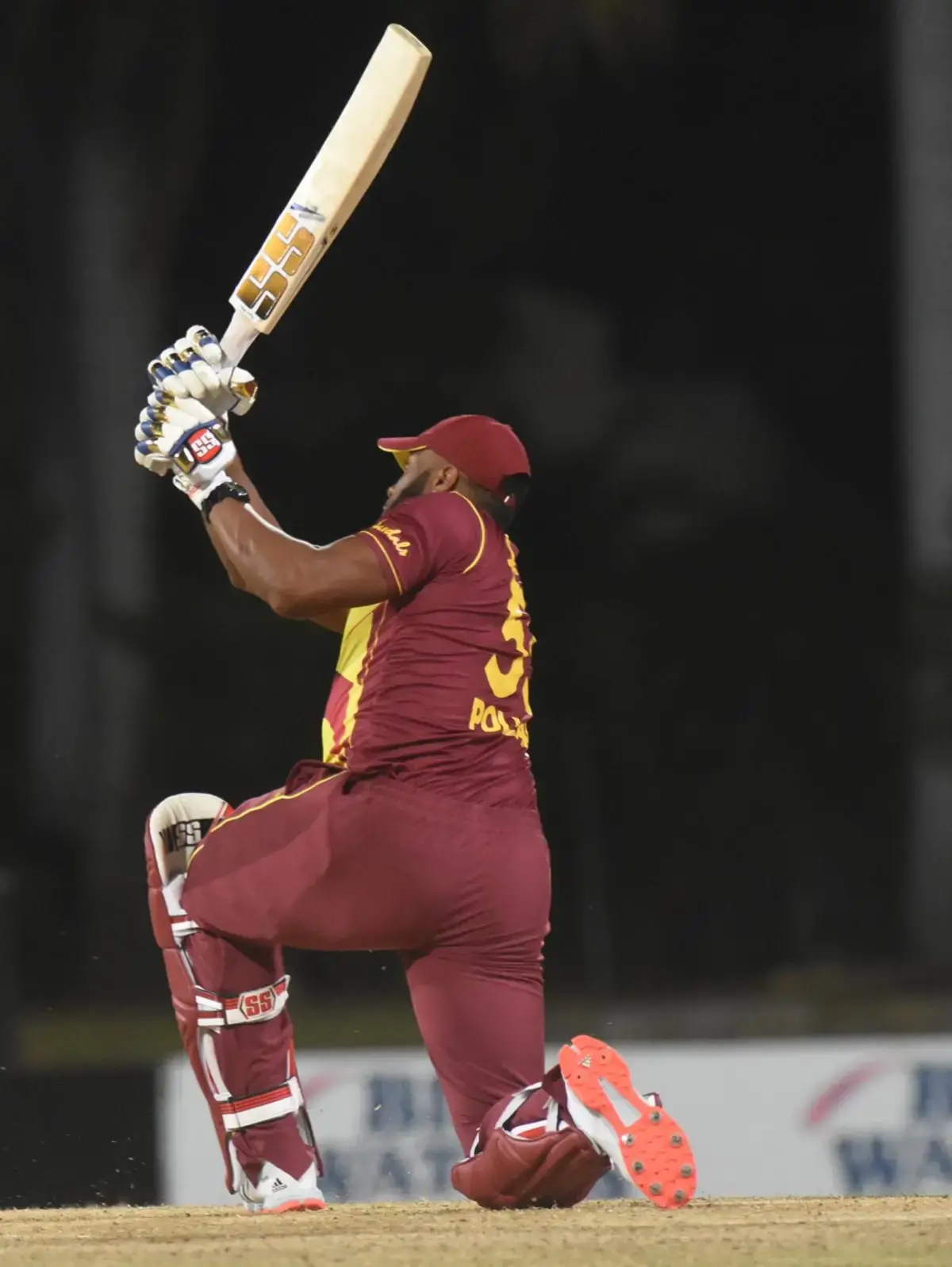
Six or nothing, mostly nothing
Eoin Morgan chose to field and opened with Moeen Ali's off-spin. Evin Lewis struck the only six of the innings, then tried to repeat the shot and was caught. Lendl Simmons followed for three. Shimron Hetmyer and Gayle briefly threatened a repair, but both were gone before the score reached 40.
The dismissals acquired a pattern. West Indies kept attacking as though one clean over would erase the damage. Despite the pitch being slow, England's bowlers’ intelligent change of pace, and fielders holding difficult catches, the response remained big shot after big shot.
Andre Russell was bowled by Adil Rashid's first ball. Pollard holed out. Obed McCoy became Rashid's third victim, and the leg-spinner finished with faintly absurd figures of four for two from 14 deliveries.
Gayle's 13 was the only score in double figures. Moeen and Tymal Mills took two wickets each to help dismiss West Indies for their second-lowest T20I total at the time and the third-lowest in any men's T20 World Cup.
England lost four wickets in the chase, partly with one eye on the net run rate and partly because Akeal Hosein took two excellent return catches. Jos Buttler remained unbeaten on 24 as England claimed victory with 70 balls to spare.
Pollard called the batting "unacceptable," then said the team needed to bin the match and move on. That was sensible tournament management. It was less useful as a diagnosis.
The collapse was not random. West Indies had backed their veterans and committed heavily to a style based on six-hitting. The latter had conquered the world in 2016 and had an influencing effect on the rest of the sport. By 2021, however, opponents had learned from it, built deeper batting line-ups and developed bowling plans for slow surfaces. While West Indies still had the famous names, what mostly accompanied them were the fading versions of once dangerous players.
The end before the ending
The Caribbean side did enough to beat Bangladesh but lost narrowly to South Africa and Sri Lanka before being thrashed by Australia. One win from five left them outside the semi-final places.
The final match against Australia became an unsavoury farewell for Bravo and, unofficially, Gayle, with Pollard retiring from international cricket the following year. To compound the matter, an era that had produced two world titles was ending without a clear successor.
The 55 mattered because of the contrast. West Indies had been the team that taught international Twenty20 to value range, muscle and audacity. England reciprocated those ideas in a more complete system. Morgan could summon spin, pace, and match-ups and had exceptional fielding on his side. Every bowling change appeared correct. West Indies, in the meantime, offered boundary shots without enough singles, adjustment or game awareness.
One terrible innings did not destroy the title defence. It exposed how little margin for error the team had brought into it.
The scoreboard said 55. The more painful number was a decimal—5.5: the number of years since Kolkata, during which the rest of the world had kept studying.
Sources