Today in History
'98 Heathrow scheme: Players corner WICB in first real dispute
Airports are designed to move people along. In November 1998, West Indies cricket spent a week at Heathrow demonstrating that the principle was optional.
The squad had just played the final of the Wills International Cup in Dhaka and was due to continue to Johannesburg. Seven players travelled as instructed. Nine, including captain Brian Lara and vice-captain Carl Hooper, went to London amid a dispute over tour fees, training allowances, meals and longer-term contract arrangements.
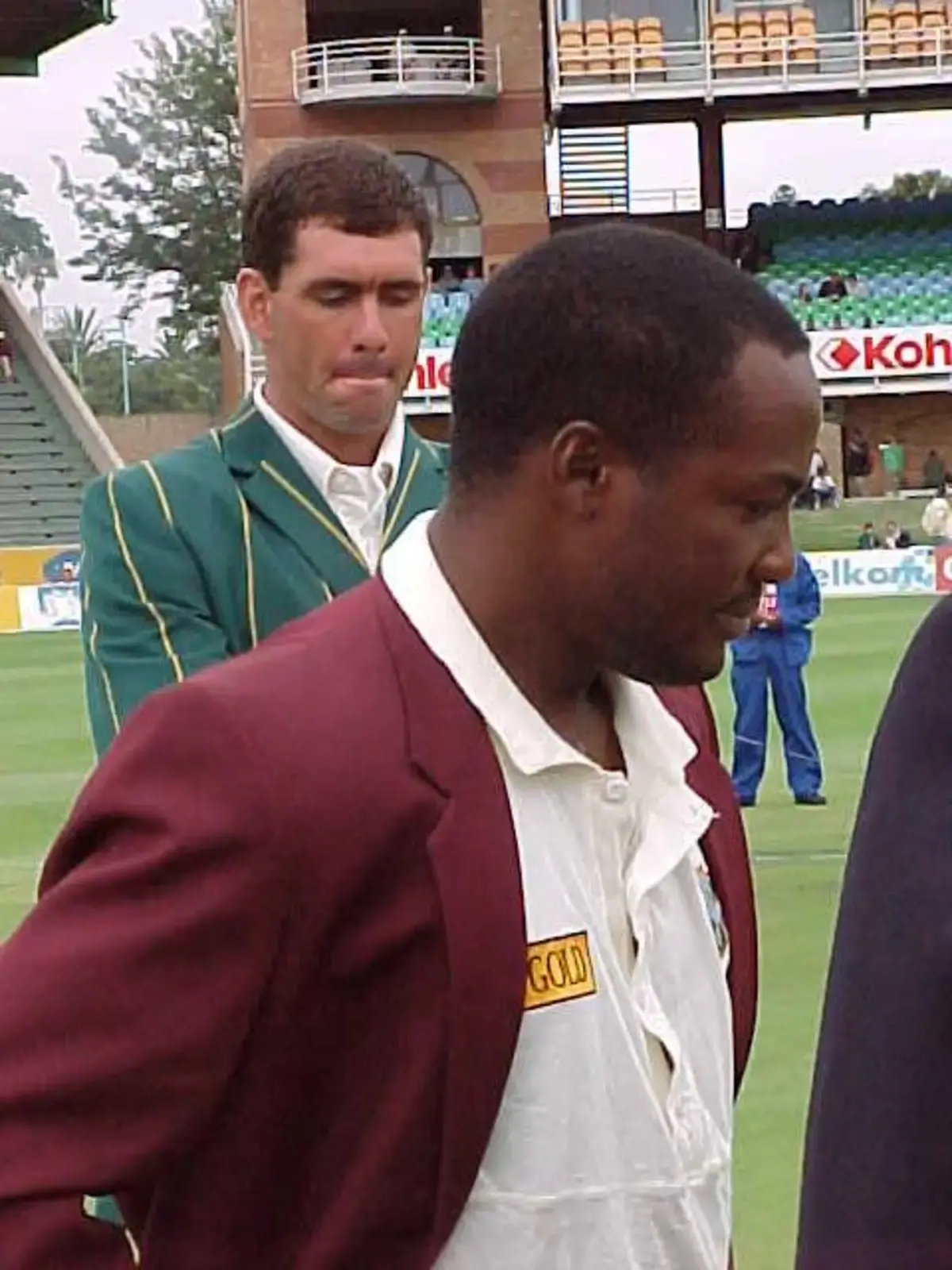
The West Indies Cricket Board ordered Lara and Hooper to fly to Antigua for talks. They refused. On November 4, the board removed both men from the tour and stripped them of the captaincy and vice-captaincy. Fines were announced for other senior players.
The apparent show of authority by the governing body produced an inconvenient result. Their teammates would not tour without them. The first full West Indies Test visit to post-apartheid South Africa was suddenly in danger of being cancelled, and the centre of Caribbean cricket administration had relocated to a hotel beside an English runway.
A dispute larger than one fee
Contemporary reports often reduced the affair to pay, highlighting that players could earn substantial tour fees, with senior figures receiving far more than juniors. Later accounts make clear that the argument also concerned allowances, preparation, contractual security and the distribution of commercial income.
The deeper issue was power. International cricket was becoming wealthier, players were becoming more marketable, and the old expectation that a regional board could set terms with minimal consultation was failing. Lara possessed exceptional leverage. The board, accountable to several territories and already struggling with public confidence, feared allowing one star to dictate policy. Neither side managed the conflict well.
The timing made it more serious. South Africa had never hosted a full West Indies Test tour. The visit carried historical weight after decades of Caribbean opposition to apartheid. South African president Nelson Mandela wrote to the players asking them to make the trip. United Cricket Board managing director Ali Bacher flew to London and helped mediate. Clive Lloyd, the West Indies manager, and Jimmy Adams, an officer of their players' association, joined the negotiations.
After four days of formal talks and roughly a week of airport limbo, an agreement was reached on November 9. Lara and Hooper were subsequently reinstated without disciplinary action. The board and players' association promised to work together on marketing revenue and said the dispute had resulted from a misunderstanding.
The players flew to South Africa as the tour began a day late in Soweto.
Victory in the hotel, defeat on the field
Lara had won the immediate contest. Player solidarity forced the board to negotiate and showed that a touring side could not simply be divided into obedient replacements and punishable stars.
The cricket, however, supplied a brutal counterargument. South Africa won the Test series 5-0. West Indies lost the first Test by four wickets, the second by 178 runs, the third by nine wickets, the fourth by 149 runs and the fifth by a 351-run margin. Lara scored three fifties. The side never recovered from its chaotic preparation or matched South Africa's organisation.
It is too easy to say the strike caused the whitewash. West Indies had serious technical and structural problems before anybody reached Heathrow. South Africa were an excellent team at home. Yet the standoff became a perfect picture of a region increasingly unable to align its players, board, and cricket.
The pattern repeated in different forms. Contract rows have interrupted tours and selections most noticeably in 2009 and 2014, with players eventually pursuing opportunities in county and franchise cricket. Administrators defended a regional institution with limited money and too little trust. Each side could explain its own position while the fans were dealt the harshest blows.
The 1998 dispute did not begin twenty-five years of conflict, but it supplied the template: late negotiations, public accusations, threats to the team, hurried settlement, and cricket played with the argument still in the dressing room.
For one week at Heathrow, West Indies cricket discovered that it could neither leave together nor afford to split up.
Sources