Today in History
Bradshaw, Browne and the trophy nobody saw coming
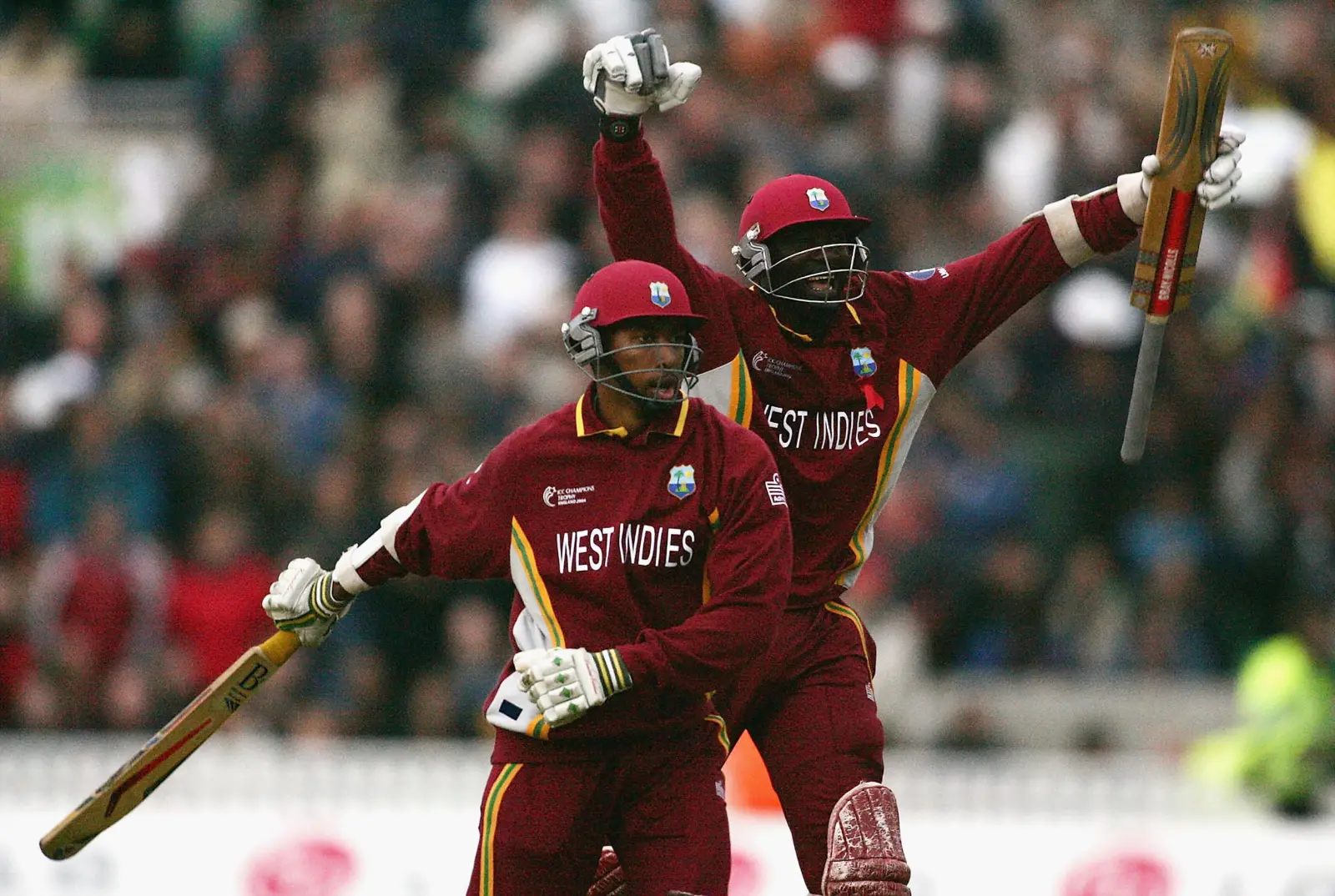
The men now responsible for stopping the celebration were wicketkeeper Courtney Browne, who was recalled to the one-day side after a three-year absence, and Ian Bradshaw, a left-arm seamer whose previous highest ODI score was 12.
Cricket occasionally chooses its heroes with a sense of humour.
A final after a miserable summer
The West Indies had arrived in England that year carrying little momentum and less peace. They lost the Test series 4-0. Brian Lara's 400 not out against the same opposition in Antigua a few months earlier already felt as though it belonged to a different team.
The Champions Trophy offered a shorter argument. West Indies beat Bangladesh, then defeated South Africa in a rain-affected match. In the semi-final, their bowlers dismissed Pakistan for 131. Suddenly a side that had spent the summer being told what it no longer was had reached a global final.
England batted first after Lara won the toss. Marcus Trescothick made 104, holding the innings together while wickets fell around him. Wavell Hinds, better known for opening the batting, took three for 24. Bradshaw claimed two. England were all out for 217 with two balls unused.
The chase began badly. Hinds, Ramnaresh Sarwan and Chris Gayle were gone with 49 on the board. Lara made 14. Dwayne Bravo followed at 80 for five. Shivnarine Chanderpaul resisted for 47, but wickets continued to fall. When Collingwood removed Chanderpaul, the West Indies dressing room was nearly empty, and England could see the white jackets.
Browne and Bradshaw began without romance. They left good balls, took singles and made England work for the ninth wicket. The required rate was manageable; survival was an expensive commodity.
As the partnership grew, so did the noise from the West Indian support inside The Oval. The ground had become a familiar Caribbean stage over decades of touring, migration and triumph. Now two lower-order batsmen were trying to recover a little of that history one cautious run at a time.
England's quick bowlers searched for the wicket-taking delivery. Browne drove when width appeared. Bradshaw clipped and cut. Lara watched from the balcony with the expression of a man discovering several new varieties of anxiety.
The pair reached fifty together. Then sixty. England's first global trophy moved back into storage.
Bradshaw struck the winning runs with seven balls remaining. West Indies finished on 218 for eight. Browne was unbeaten on 35, then his highest ODI score. Bradshaw made 34 not out, also his best, and was named player of the match.
Their unbroken partnership was 71, exactly the number required when Chanderpaul departed.
One night of proof
Lara called it a tremendous achievement for a team that had endured a dismal summer. The phrase mattered. This was not the great West Indies side resuming its rightful place. It was a vulnerable team finding, for one tournament and one desperate partnership, that it could still finish above everybody else.
The trophy was West Indies' first major global title since the 1979 World Cup. Twenty-five years had passed since Clive Lloyd's side lifted that cup at Lord's. In between came the 1983 World Cup final defeat, near misses, administrative crises and the long collapse from dominance.
The Champions Trophy did not reverse that decline. West Indies would remain inconsistent in both Tests and one-day cricket. Yet dismissing the victory as an interruption misses why it was loved.
Ian Bradshaw later remembered the emotion at the ground as an expression of “West Indian pride, another chance to show the world our ability.” That is what the night offered. Not restoration, exactly. Proof of life.
It also gave West Indies cricket two unusually democratic heroes. Browne had spent most of his career behind Junior Murray and Ridley Jacobs. Bradshaw was a disciplined bowler from Barbados, not a superstar. Neither man's name would normally be placed beside Lara's when discussing the era.
On the evening that produced its only senior global trophy for a quarter century, West Indies were rescued by numbers nine and ten.
The champagne was indeed opened at The Oval. England had simply bought it for the wrong dressing room.
Sources