ICC battle to rein in T20 franchise boom
The International Cricket Council (ICC) is moving towards tighter regulation of T20 franchise cricket as the rapid expansion of leagues around the world raises concerns about corruption, player availability, sponsorship practices and the future of international cricket.
The ICC's latest proposals, which are expected to be discussed by cricket administrators at the governing body’s upcoming board meeting in Bali, represent a significant attempt to strengthen its authority over a rapidly growing segment of the sport.
A Franchise League Review Group, established in July 2026, has put forward recommendations aimed at improving oversight and establishing more consistent standards across competitions.
Among the proposals is an expansion of the ICC's authority to review or audit approvals granted by full-member cricket boards to domestic franchise leagues. Under the existing system, member boards generally have the power to sanction competitions within their territories. The proposed changes could allow the ICC to intervene, withdraw approval or reject a league if serious regulatory or integrity concerns arise.
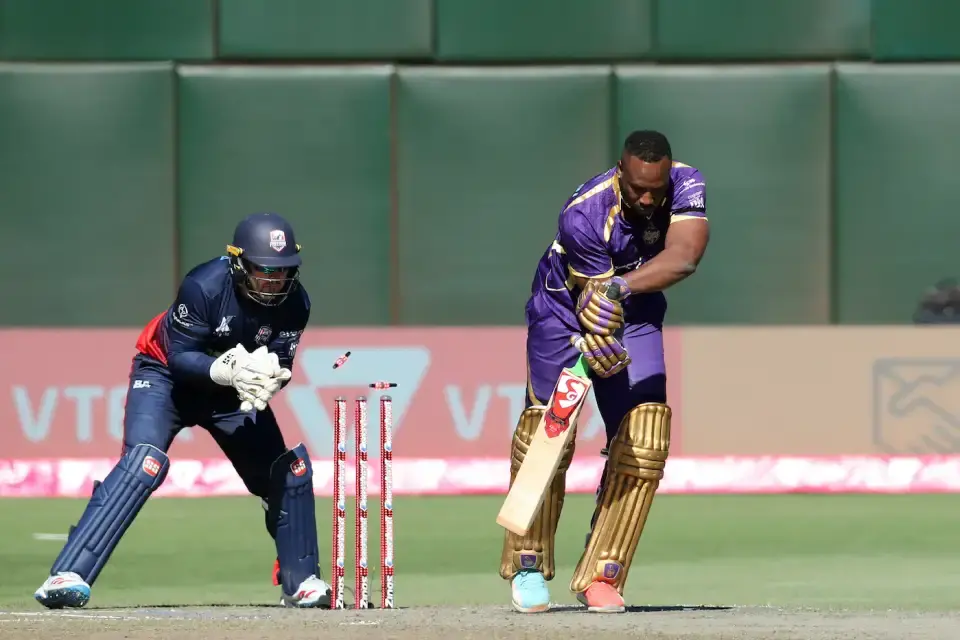
Another major area of concern is the number of overseas players permitted in playing XIs. The ICC wants existing competitions to comply with current foreign-player restrictions, a move that could particularly affect the UAE's International League T20 (ILT20) and Major League Cricket (MLC) in the United States. Both competitions have relied heavily on overseas talent to establish their commercial appeal and attract international audiences.
The governing body is also considering restrictions on sponsorship arrangements involving betting companies and their associated businesses, particularly where such arrangements could facilitate illegal gambling. In addition, leagues could be required to use the ICC's Anti-Corruption Unit or another approved integrity organisation as a condition of receiving official sanction. A sanctioning fee is also among the recommendations being considered.
These proposals come against the background of growing concerns about corruption in franchise cricket. The ICC's integrity officials have reportedly identified increasing attempts by corrupt individuals to approach players across different leagues. Questions surrounding financial transparency, ownership structures and the non-payment of players have also strengthened calls for more consistent regulation.
However, greater ICC involvement could create challenges for leagues that have invested heavily in attracting overseas stars and developing independent commercial models. Stricter foreign-player limits, sponsorship restrictions and additional regulatory costs could affect their competitiveness and financial sustainability.