Guyanese broadcaster Sean Devers, who has been following
regional youth cricket -- as player and journalist -- since 1984,
believes this year's TCL Group Under-19 tournament is the "weakest
I've ever seen."
"This is the worst standard of general cricket I've ever seen at
this level. There are some good players here and there but, in all
my time following youth cricket, this is the most disappointing,"
Devers declared, citing sub-standard wickets in Guyana as one of
the main reasons for the declining standard.
West Indies cricket is looking for a president. Nomination
closes on August 31, election day is September 30, and the question
is who will it be? Will it be Clarvis Joseph of Antigua or Teddy
Griffith of Barbados?
Although there is still time for others to enter - including
former West Indies wicketkeeper Deryck Murray and former opening
batsman and CEO Steve Camacho who, it is understood, are being
encouraged to do so by one or two board members, the race is and
will be between Joseph and Griffith with Joseph as the
front-runner.
The stakeholders of West Indies cricket should be happy to hear
that the proposed secret selling-off of their birth rights by the
Executive Committee of the WICB to the South African Investments
Limited (SAIL) will not materialise.
At the last shareholders meeting of the WICB in Dominica in July
this year, shareholders and directors were unsuccessful in
obtaining information from the all-powerful Executive Commitee, and
lead director relating to SAIL, Stephen Alleyne, on the status of
the proposed investment agreement between SAIL and the WICB.
Jermaine Lawson's bowling action is still in contravention of Law 24 of
the Laws of Cricket and further remedial work is needed before the
Jamaican pacer can return to international cricket.
That's the conclusion of British biomechanics expert Dr Paul
Hurrion, who conducted a series of scientific tests on Lawson's
bowling action in Jamaica last month.
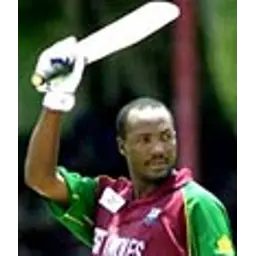
Brian Lara is the latest of the series of leaders who have
turned up, almost as though by divine intervention, when needed by
West Indies cricket.
From the earliest Test days, there were players who were
typically West Indian, Calypso Cricketers. They needed captains who
understood the psychology of men who played, not just a cricket
match but waged a struggle to assert their equality in a region
where the ills of colonialism and racism denied them the rights,
which their ?white? brothers enjoyed.