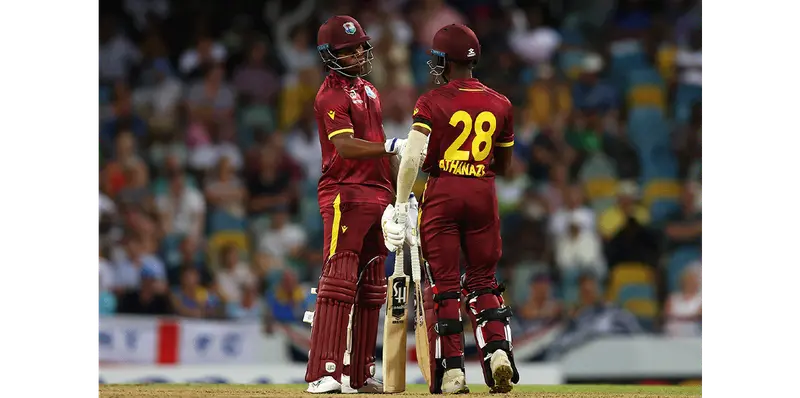
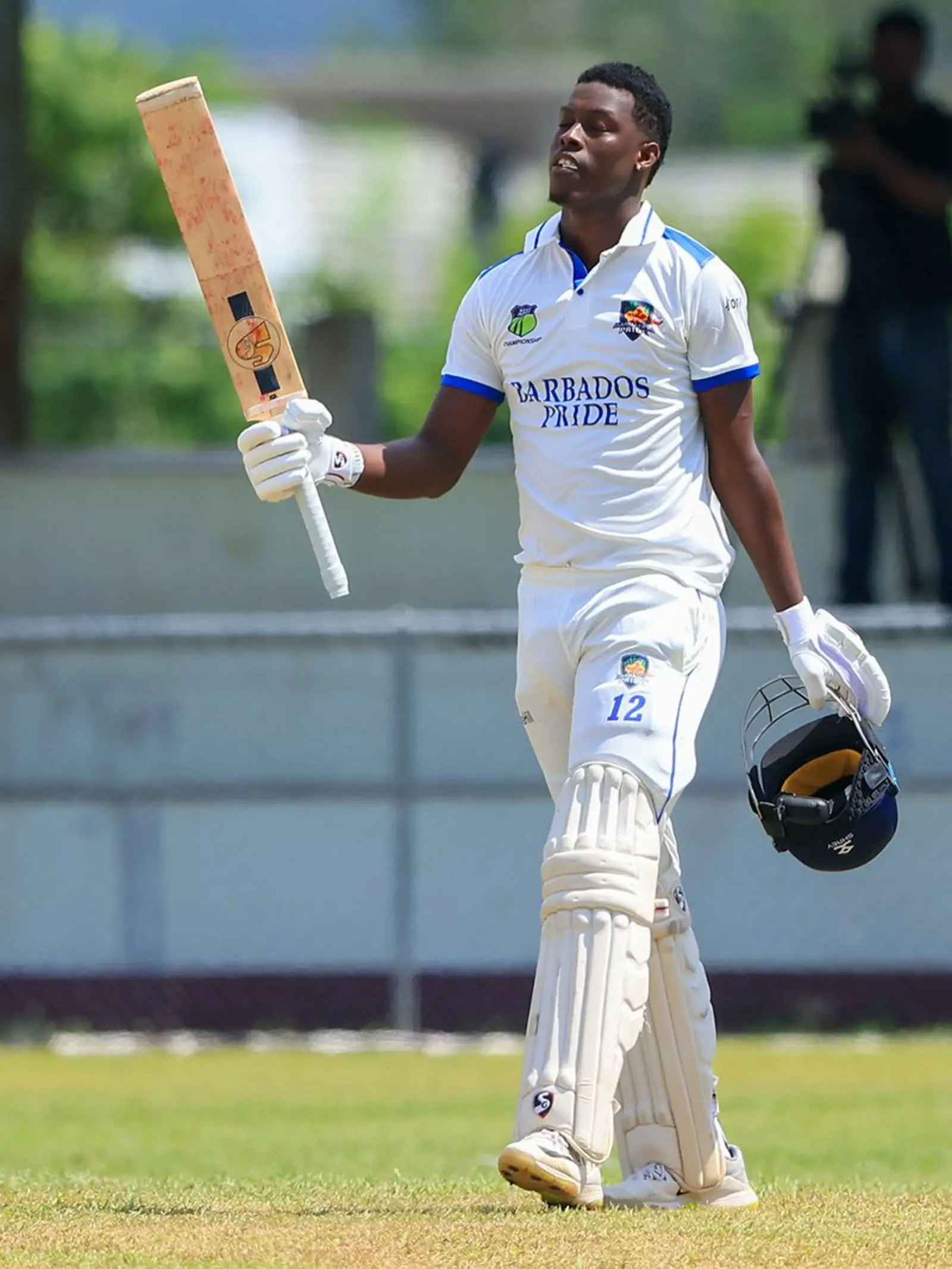
Keacy Carty and Alick Athanaze will captain West Indies for their One-Day and T20 ‘A’ series against England in St. Kitts & Nevis from November 1 to 16.
Carty will lead the 15-member One-Day squad while Athanaze skippers the 13-member T20 side. The series opens with three 20-over matches from November 1 to 4, followed by five 50-over (List A) games from November 7 to 16. The games will be played between the Conaree Cricket Ground and Warner Park.
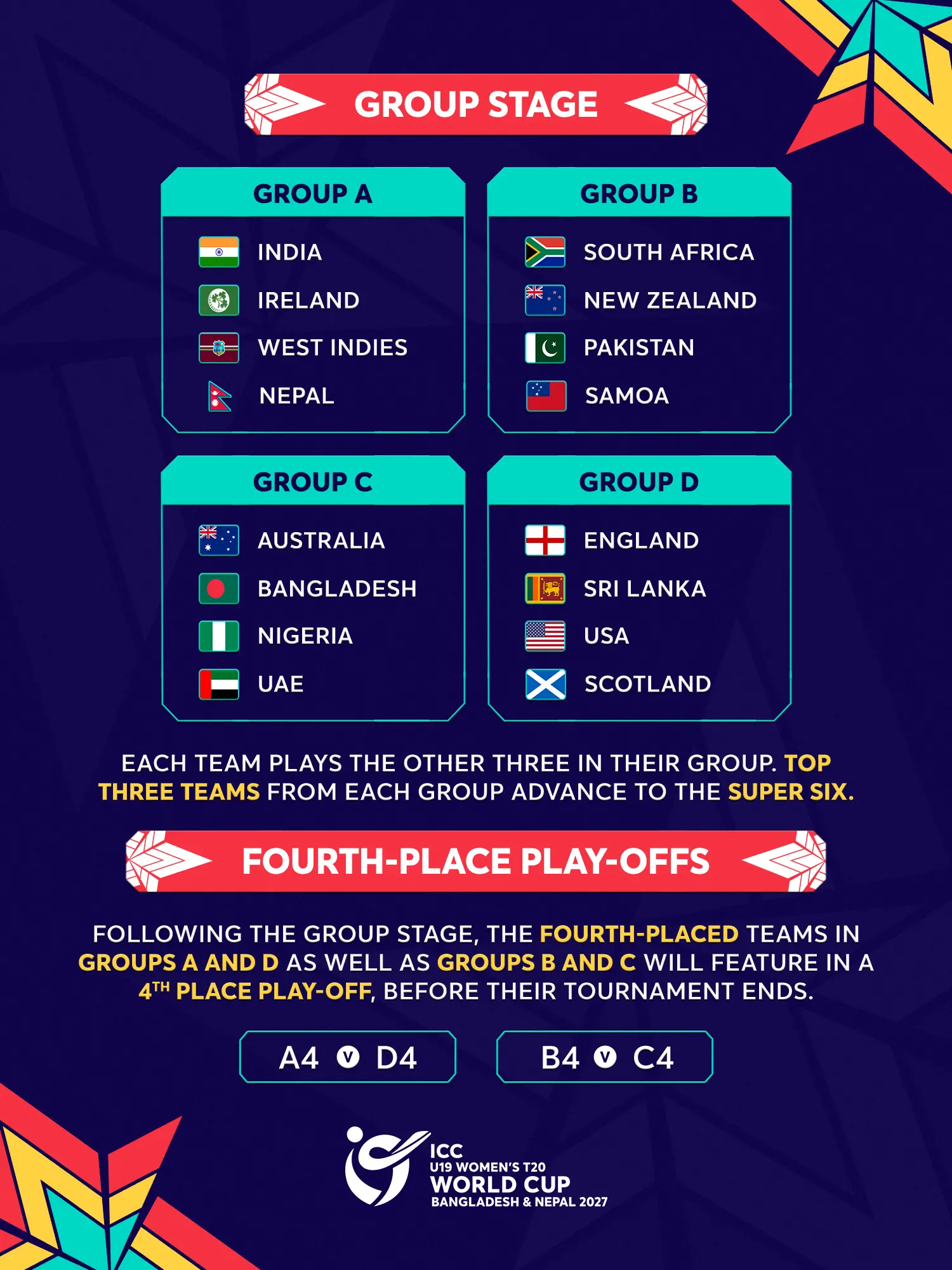
The West Indies have been drawn in Group A alongside defending champions India, Ireland, and co-hosts Nepal for the 2027 ICC U19 Women’s T20 World Cup to be played in Bangladesh and Nepal.
The Caribbean side will open their campaign on January 22 against the two-time holders at the TU International Cricket Stadium in Kathmandu, Nepal. They return to action two days later against Ireland at TU, Kirtipur, before finishing the group stage against on the 26th at the same venue.
‘Even I'm trying to find ways to get the investors,’ Sammy said.
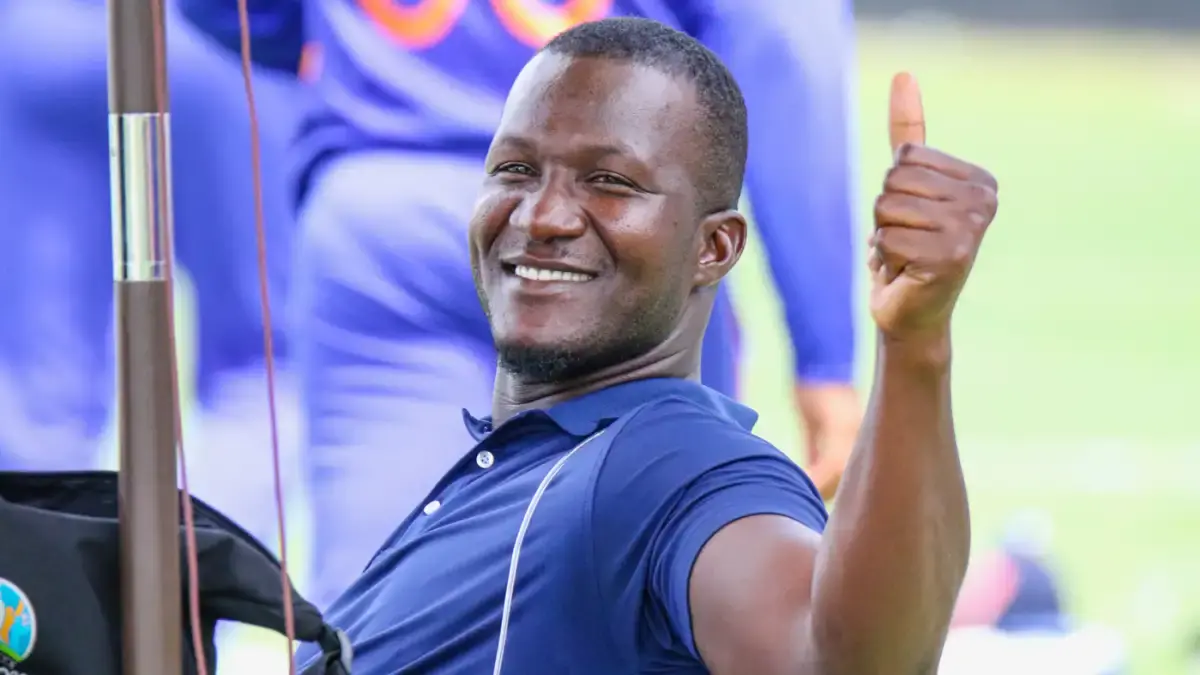
In the wake of West Indies’ 2-2 T20 International series draw with India, the conversation returned to Cricket West Indies’ precarious financial position. With CWI CEO Chris Dehring never shying away from the difficulty of pitching an underperforming team to potential sponsors, head coach Daren Sammy first said he hoped a positive result against the world champions would be commercially beneficial.
“In this series, in spite of all the challenges, the guys really gave their all,” Sammy began. “And the Indian fans, they were thoroughly entertained. And I'm pretty sure it gives President Kishore (Shallow) and CEO Dehring a better voice in trying to voice West Indies’ cause,” Sammy said.
The St. Lucian, who took the reins in all three formats in April of 2025, transitioning from white-ball coach, also revealed that his role in helping to ease the team’s current woes is not limited to on-field results.
“Even I'm trying to find ways to get the investors,” he said. “It's no secret; it's been going on for decades now. You heard the CEO speak about things that happened in 1997 that kind of have us in this situation,” Sammy said, referencing the ICC vote that abolished guaranteed touring fees for visiting teams in bilaterals.
Hope hundred, Paul fifer give Windies much to play for in Bengaluru
West Indies 247 for 3 (Hope 102*, Rutherford 49*; Prince 1-36) beat India 223 all out (Samson 56, Tilak 43; Paul 5-41) by 24 runs
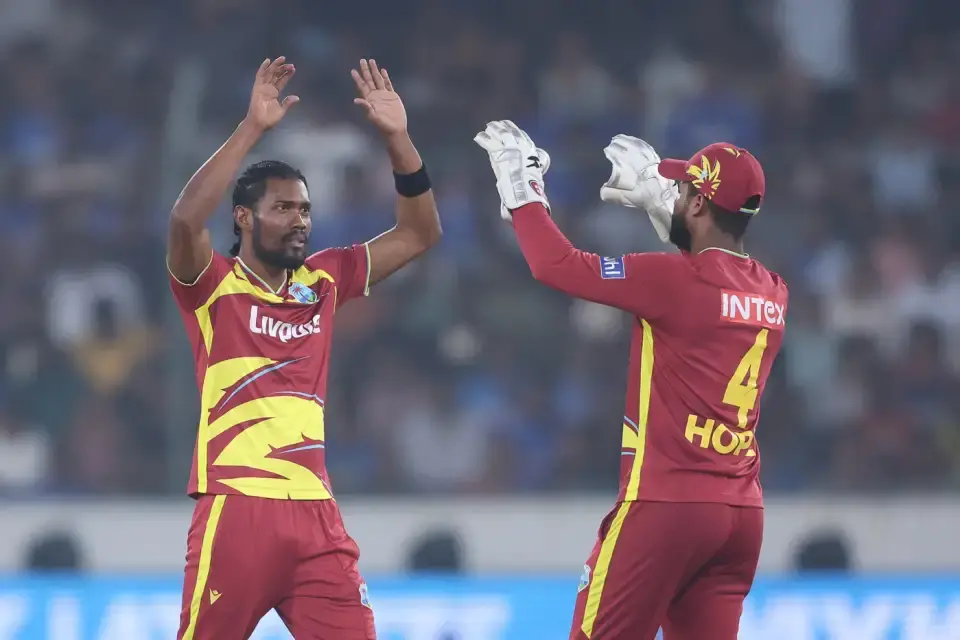
The West Indies defeated India by 24 runs in the fourth T20 International in Hyderabad on Wednesday to set up a decider in the five-match series. Captain Shai Hope and Sherfane Rutherford put on an unbeaten 91-run partnership to take the Caribbean side to a mammoth 247 for three, before Keemo Paul’s five-wicket haul led a polished bowling effort to restrict India’s explosive batting line-up.
The victory levels the series 2-2 and sets up a decisive contest in Bengaluru.
It was at the Rajiv Gandhi International Stadium in Hyderabad that India amassed 297 for 6 against Bangladesh in 2024. And despite their huge total today, it was far from a fluent innings from the West Indies; there were noticeable periods of lulls. They had other factors going against them as they stepped out to defend.
Positives, from a bowling perspective, for the visitors had been hard to find throughout this series. Not to mention that if you were going to assemble a World XI batting line-up, it probably wouldn’t read too far from this current Indian top-order.
After a quiet first over, in which Roston Chase conceded seven runs, Sanju Samson put his head down. He took two maximums and a boundary from the second, then accounted for all but one of the 25 runs scored off Chase in the third.
Kevin Wickham has earned a maiden Test call-up to the West Indies side after being included in their squad of 15 for the two-match Test series in Bangladesh, starting on October 28.
The 23-year-old Wickham, who averages 40.88 in first-class cricket, gets his first opportunity at the senior level following an impressive showing in the 2026 West Indies Championship, where he scored three consecutive centuries with a best of 153.
With the ICC Cricket World Cup Qualifier scheduled for February next year, Shai Hope is being rested for the series.
Fast bowler Alzarri Joseph has been withdrawn from the series following a “routine medical assessment and specialist consultation,” according to CWI.